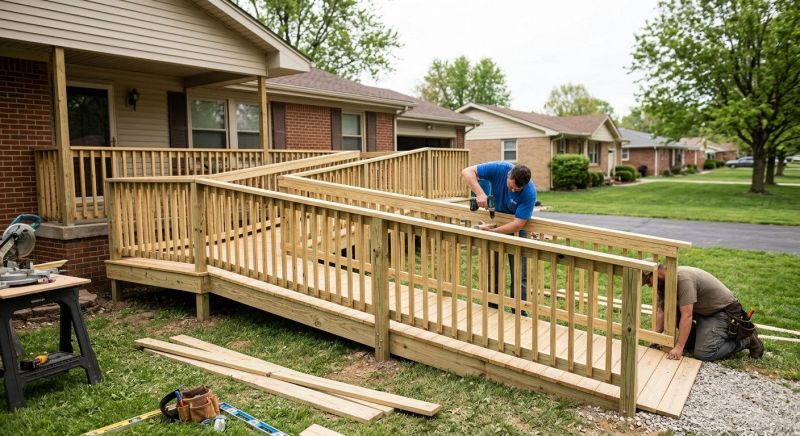
Residential Ramp Installation in Wilmington, NC
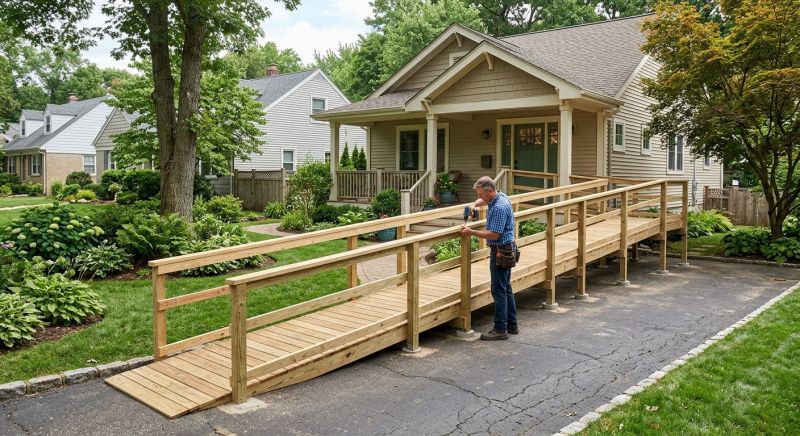
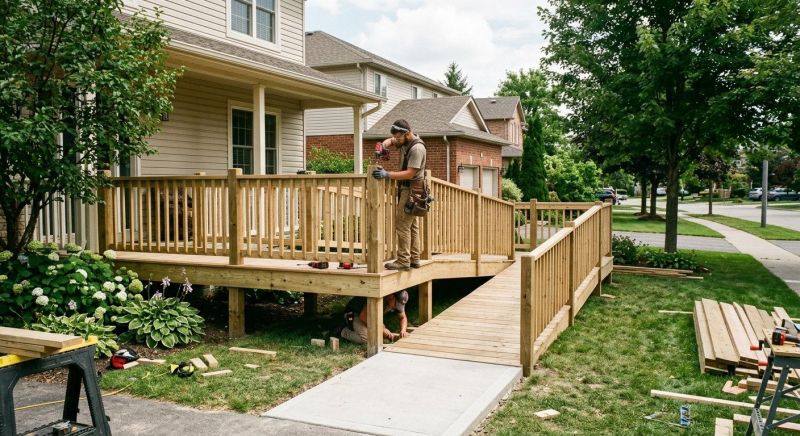
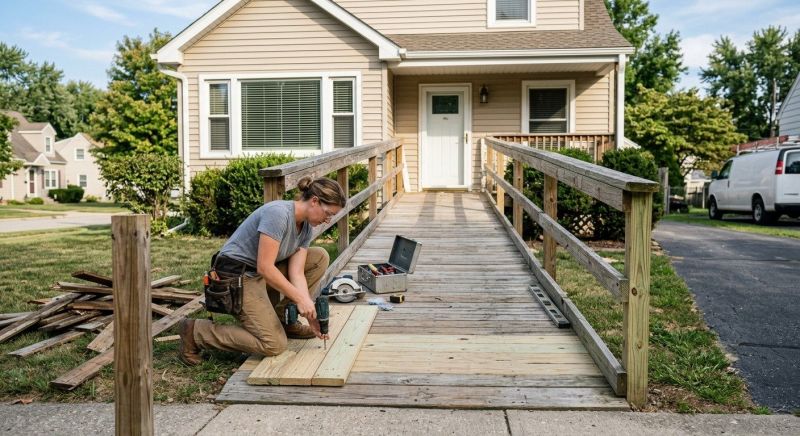
Residential ramp installation services provide a practical solution for homeowners seeking safe and accessible entryways to their homes. These projects typically involve constructing ramps that accommodate mobility needs, whether for wheelchairs, walkers, or other assistive devices. Commonly requested for homes with stairs, porches, or uneven terrain, these ramps can be customized to fit various property layouts and aesthetic preferences. Property owners often want to understand the materials used, the durability of the structure, and how the ramp will integrate with existing landscaping or architectural features before requesting installation.
Before requesting residential ramp installation, property owners should consider the specific accessibility requirements and the location where the ramp will be installed. Evaluating the slope, length, and width necessary for safe use is essential, as well as understanding local building codes or regulations that may influence the design. Additionally, it’s helpful to assess the surrounding terrain and entry points to ensure the ramp will provide a smooth transition and meet safety standards. Clear communication of these details can help facilitate a smooth installation process tailored to individual needs.
Many property owners in Wilmington, NC look into Residential Ramp Installation for repairs, replacements, upgrades, and appearance-related improvements.
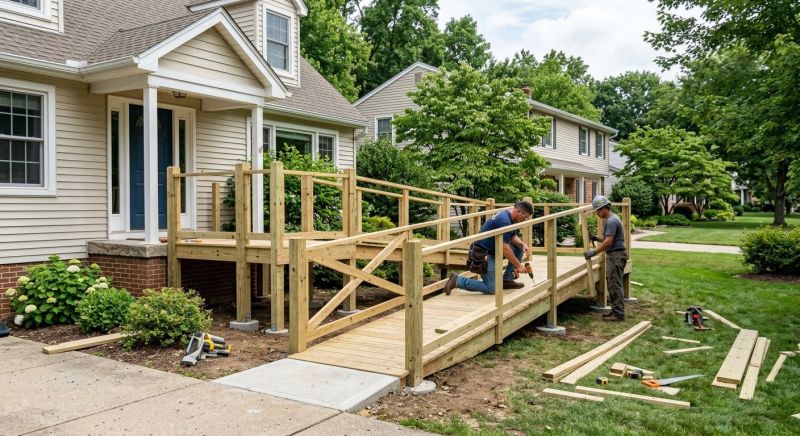
Accessibility Improvements
Residential ramps provide safe and easy access for individuals with mobility challenges.
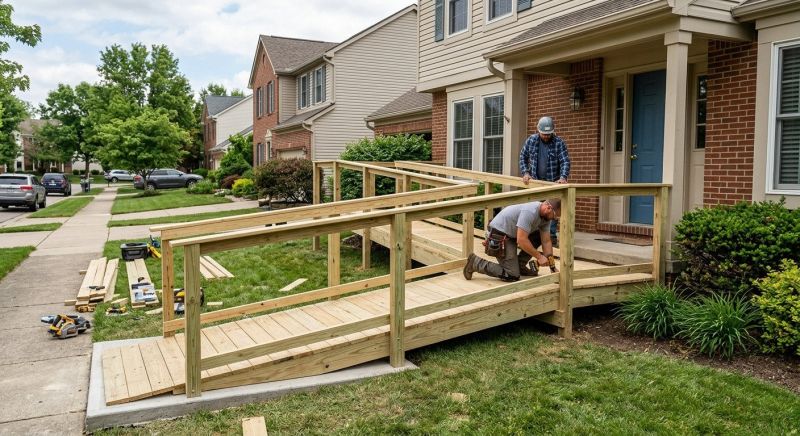
Custom Ramp Solutions
Ramps can be tailored to match the specific layout and style of wilmington homes and properties.
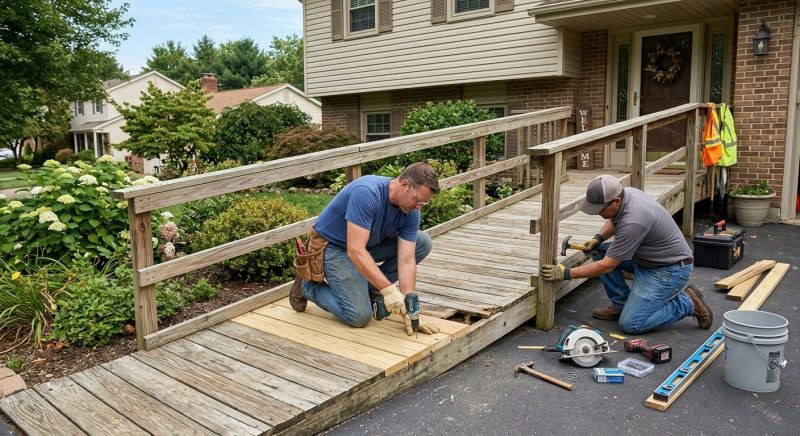
Enhanced Property Value
Installing a residential ramp can increase safety and convenience for visitors and residents alike.
Residential Ramp Installation in Wilmington, NC

Residential ramp installation services provide a practical solution for homeowners seeking safe and accessible entryways to their homes. These projects typically involve constructing ramps that accommodate mobility needs, whether for wheelchairs, walkers, or other assistive devices. Commonly requested for homes with stairs, porches, or uneven terrain, these ramps can be customized to fit various property layouts and aesthetic preferences. Property owners often want to understand the materials used, the durability of the structure, and how the ramp will integrate with existing landscaping or architectural features before requesting installation.
Before requesting residential ramp installation, property owners should consider the specific accessibility requirements and the location where the ramp will be installed. Evaluating the slope, length, and width necessary for safe use is essential, as well as understanding local building codes or regulations that may influence the design. Additionally, it’s helpful to assess the surrounding terrain and entry points to ensure the ramp will provide a smooth transition and meet safety standards. Clear communication of these details can help facilitate a smooth installation process tailored to individual needs.
Many property owners in Wilmington, NC look into Residential Ramp Installation for repairs, replacements, upgrades, and appearance-related improvements.
Common Residential Ramp Installation Jobs
Residential Ramp Installation - improves accessibility for homes with mobility challenges.
Home Entry Ramps - provide safe and convenient access to front or back doors.
Garage Ramps - facilitate vehicle entry for residents with limited mobility.
Porch and Deck Ramps - enhance outdoor accessibility for patios and decks.
Stair and Step Ramps - create smooth transitions over existing stairs or steps.
Custom Ramp Solutions - cater to unique property layouts and specific accessibility needs.
Residential Ramp Installation Questions
What types of residential ramps are available? Residential ramps can include portable, modular, or custom-built options to suit different property layouts and accessibility needs.
What materials are commonly used for residential ramps? Common materials include wood, aluminum, and composite materials, chosen for durability and ease of maintenance.
Are residential ramps suitable for all types of homes? Many homes can accommodate ramps, whether for wheelchair access, mobility aid support, or temporary use during renovations.
What factors should be considered when planning a residential ramp? Important factors include the property’s terrain, the ramp’s intended use, local building codes, and safety considerations.
Request Residential Ramp Installation in Wilmington, NC
Use the quote form on this page to share the basics of your project and request more information for the type of work you need.